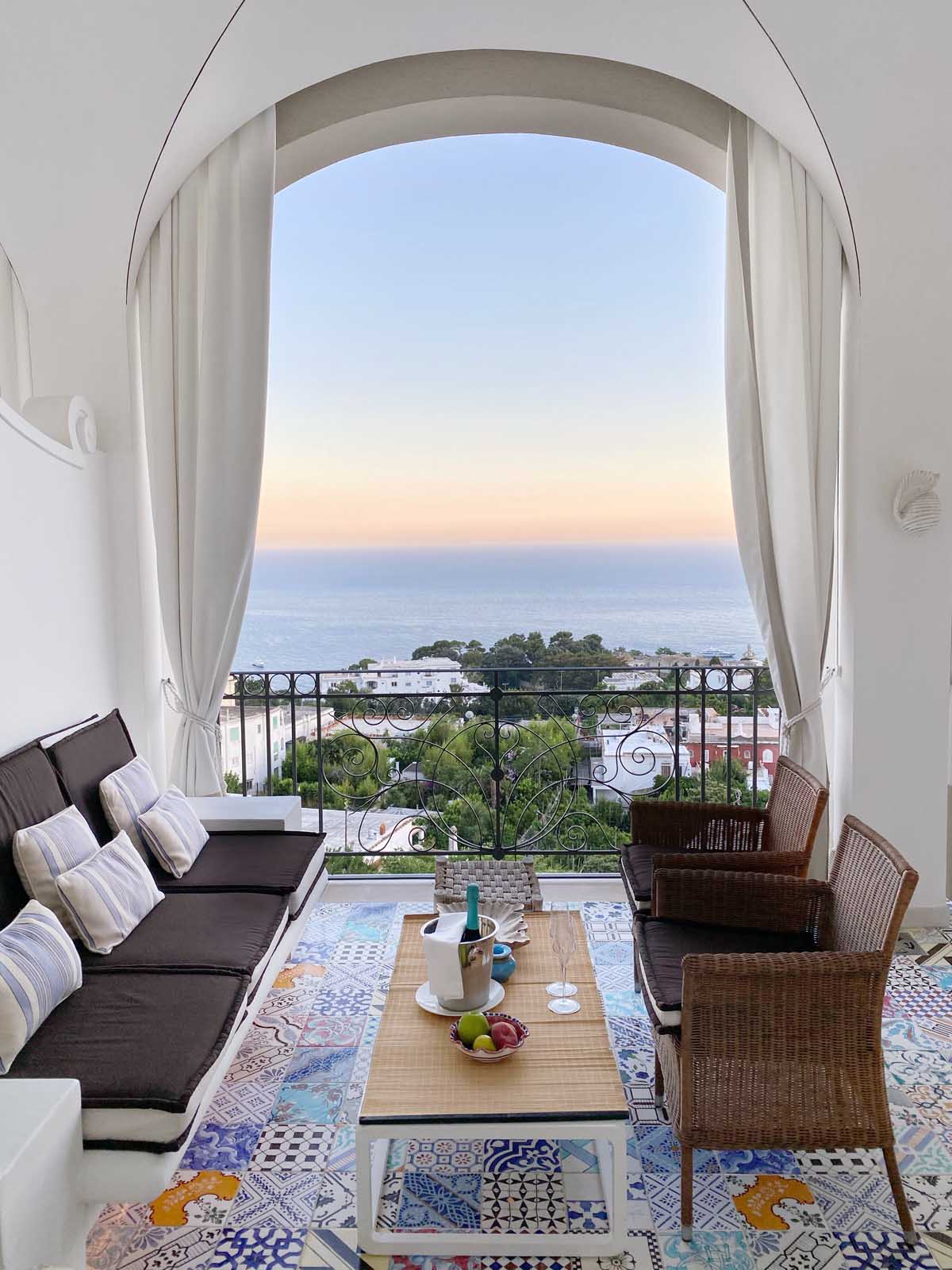
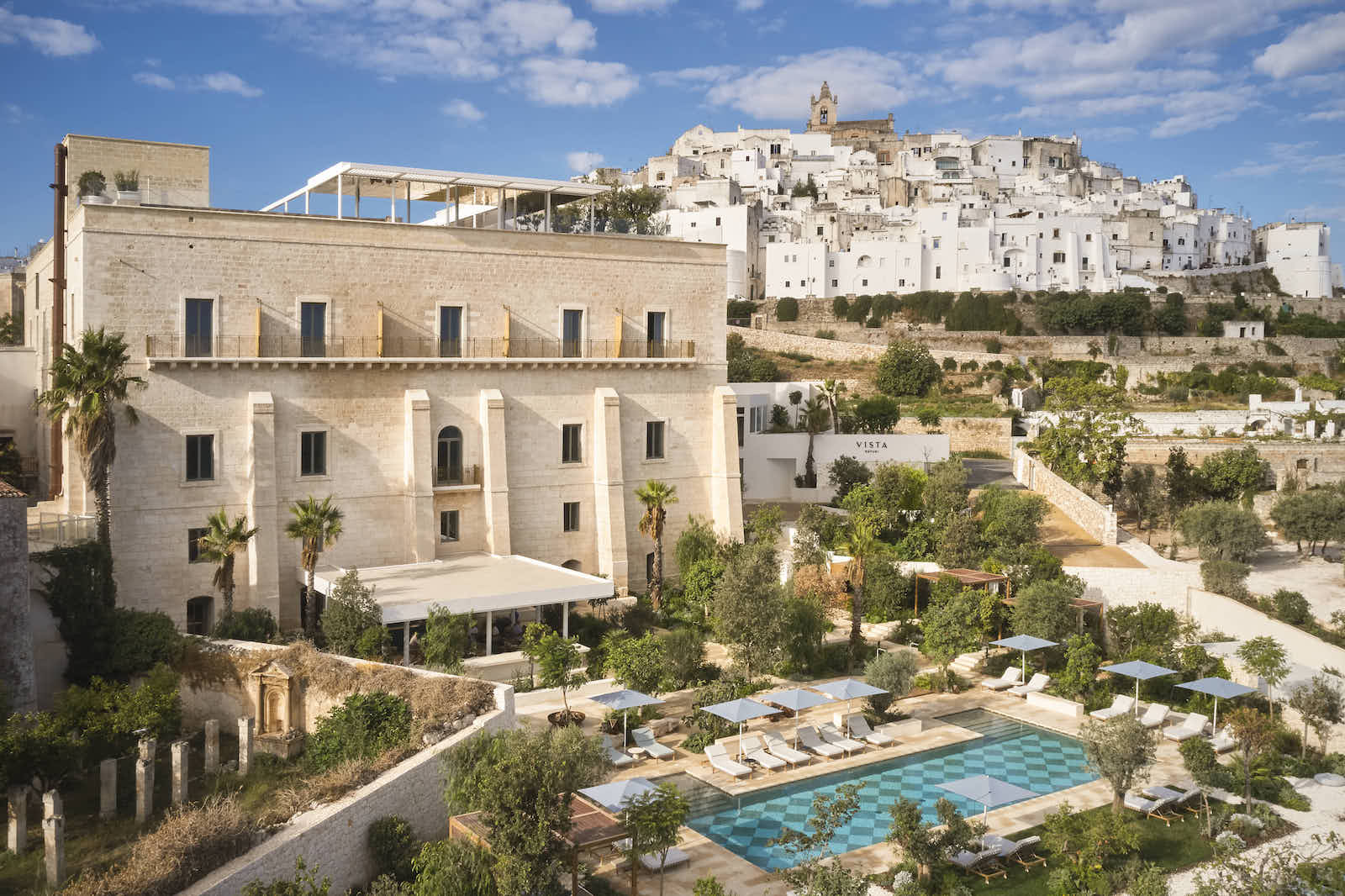
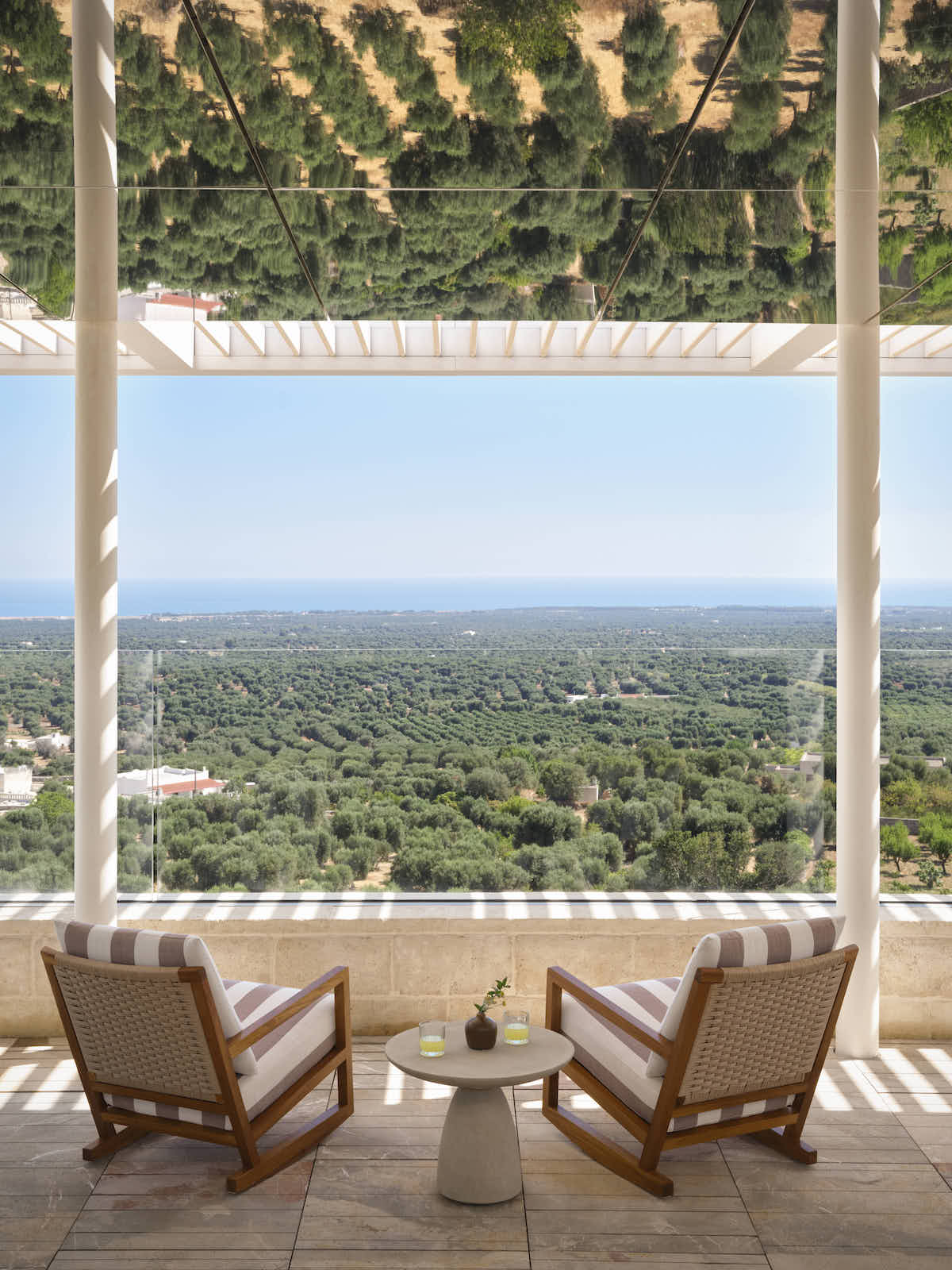
Ostuni has a new kind of hotel. Vista Ostuni is not another converted masseria, but a five-star luxury grand hotel with 28 rooms and suites, set in an 18th-century palazzo at the entrance to the White City. Its location is one of its greatest assets: the historic centre is a two-minute walk away, while windows and terraces look across centuries-old olive groves towards the sea. The name Vista refers to that open prospect, which becomes part of the experience.
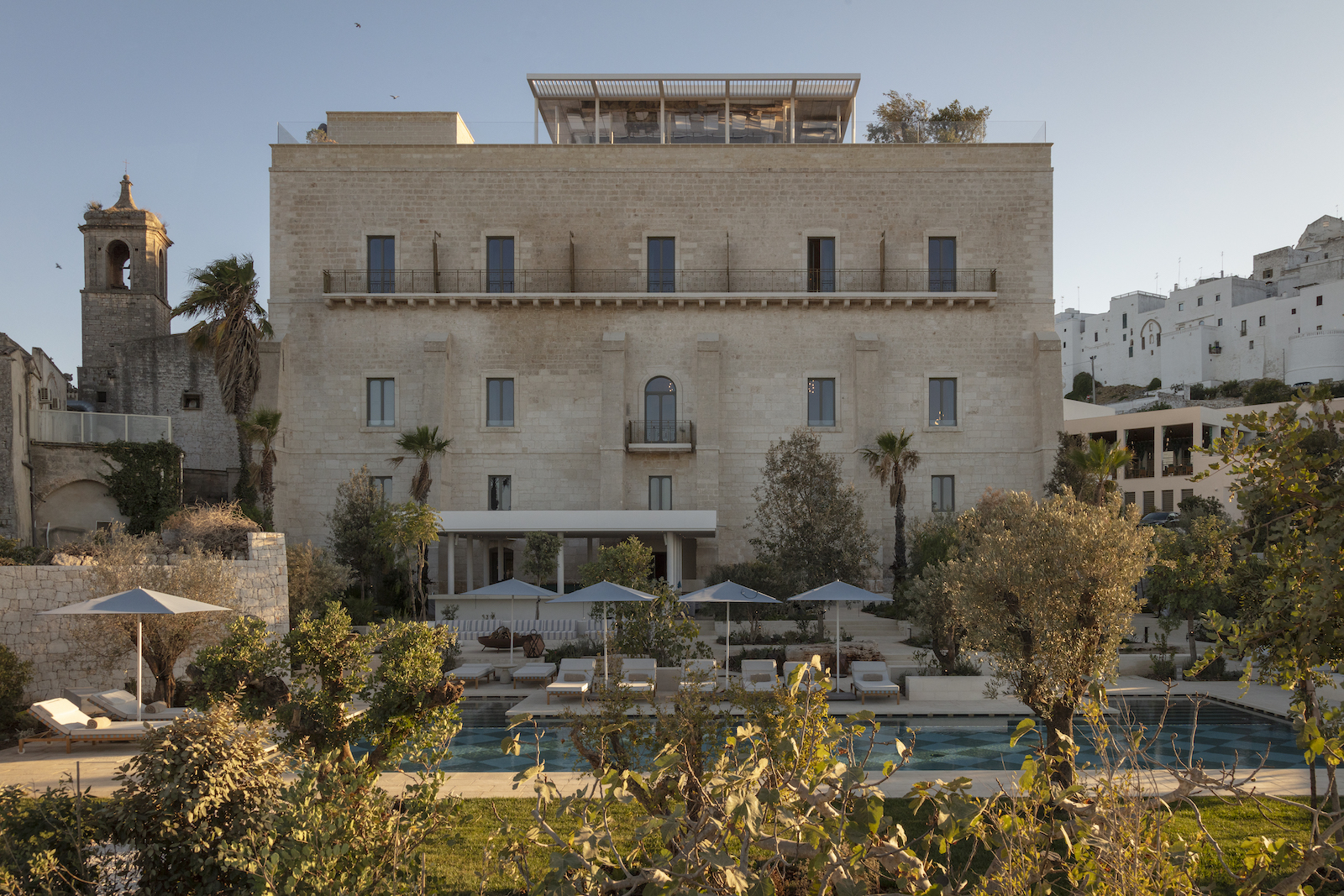
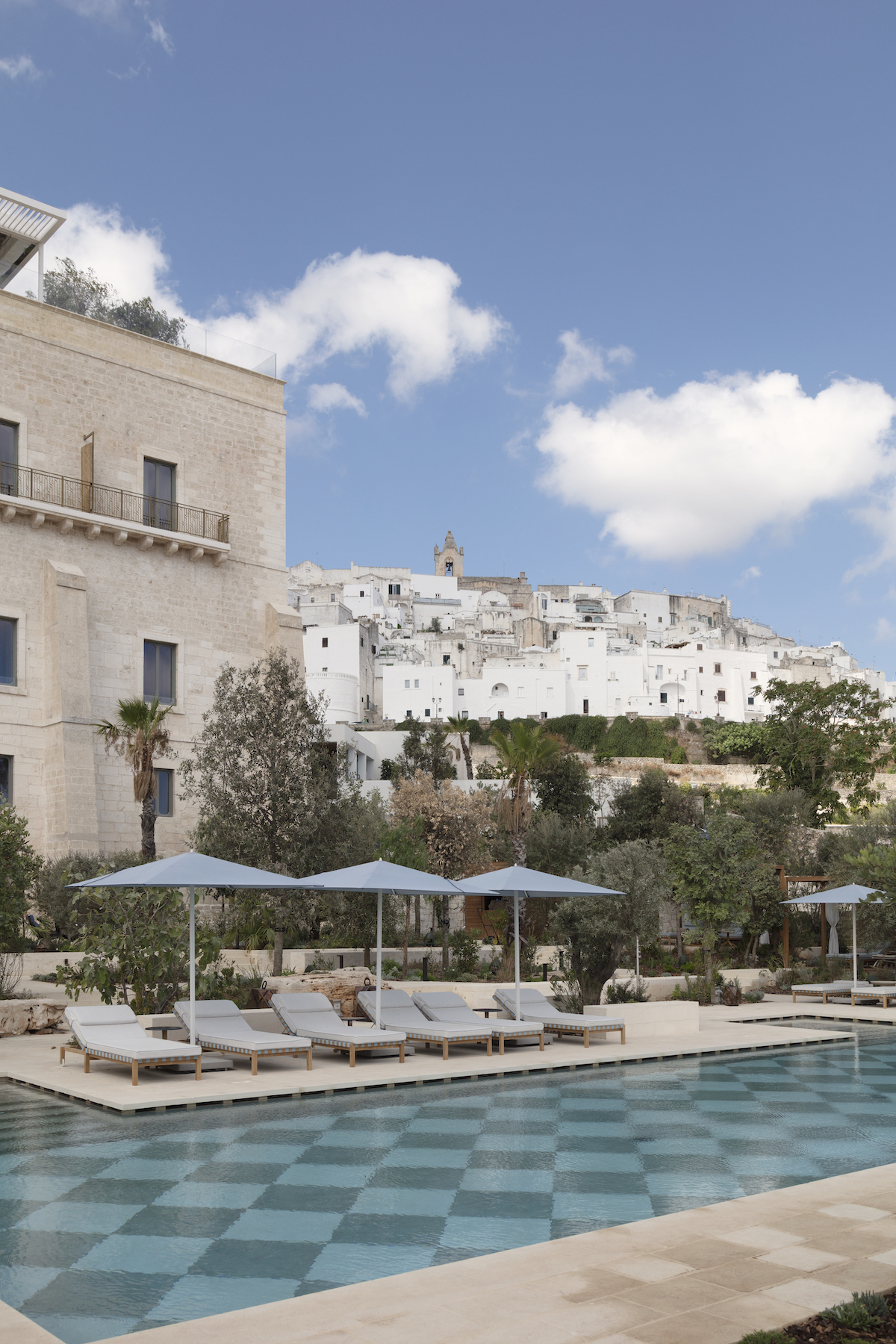
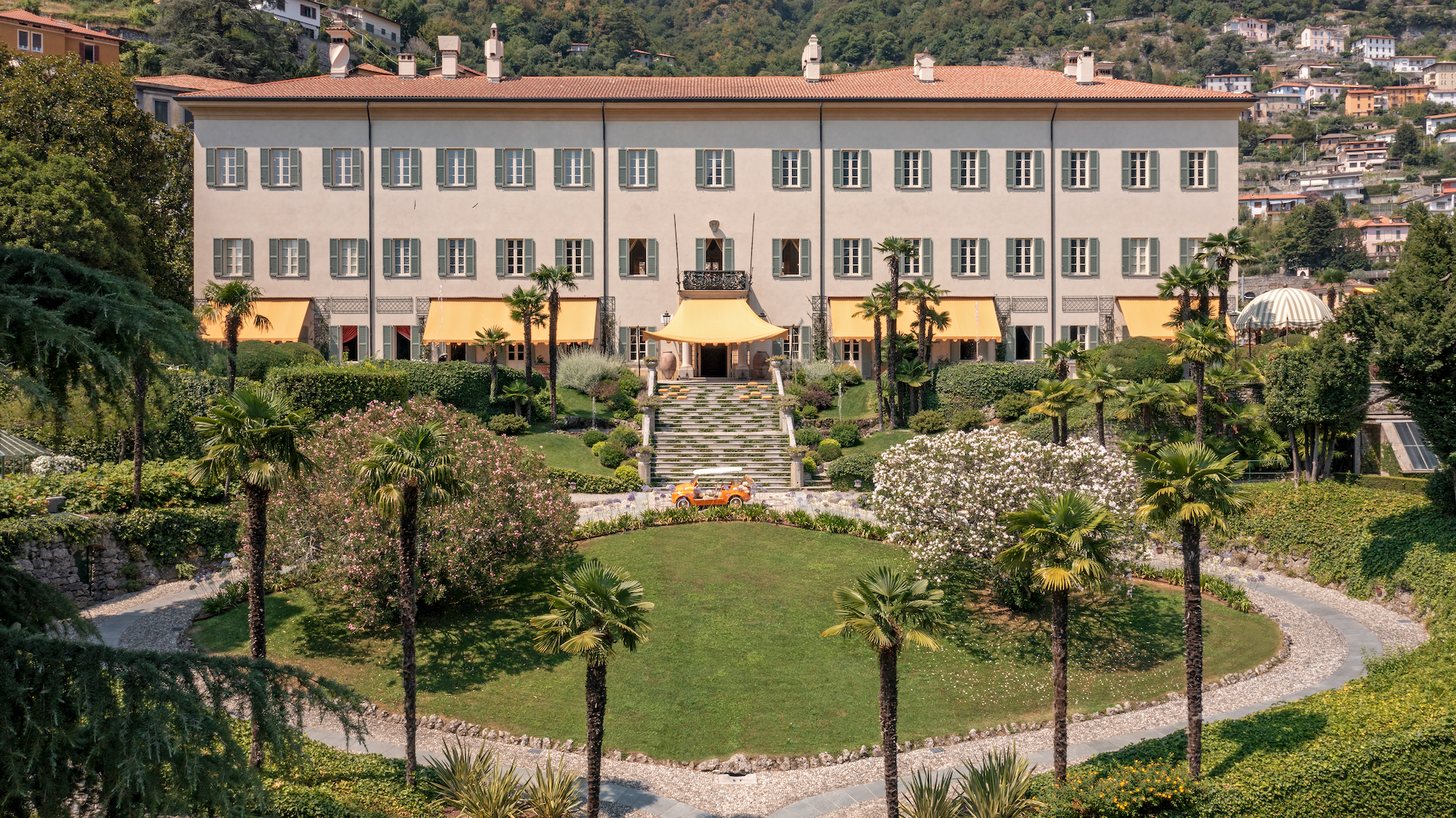
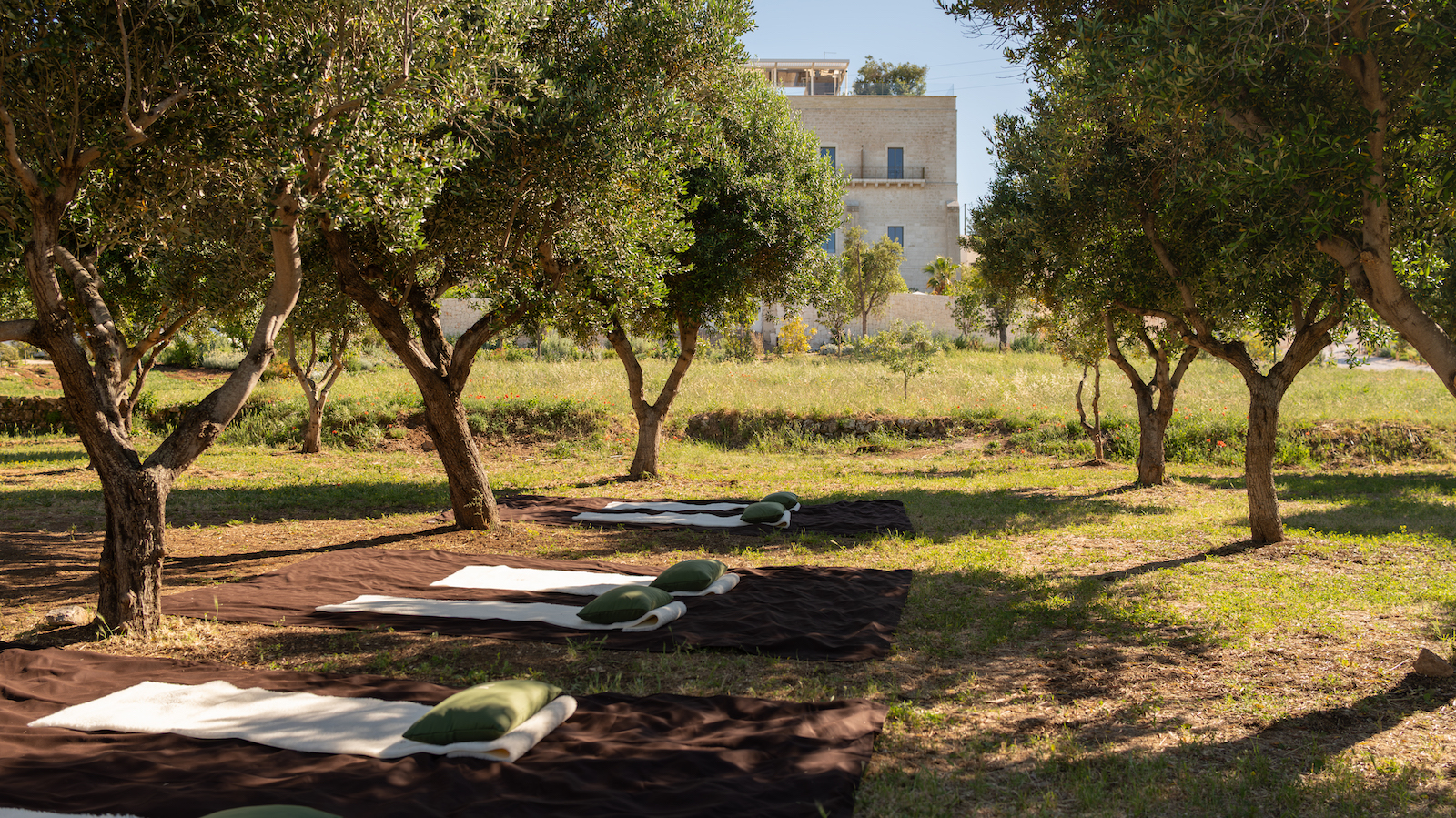
The hotel occupies a former religious complex beside the Church of San Francesco di Paola, at the point where the town gives way to the countryside. The restoration, carried out over two years from April 2023, preserves traces of the building’s past, from the original stone paving at the entrance to a bell gable dating to 1850. Some 5,000 square metres of interiors open onto 6,000 square metres of gardens, orchards and kitchen gardens. Belgian landscape architect Erik Dhont has designed a sequence of Mediterranean gardens planted with olive and carob trees and native species, in keeping with the surrounding agricultural landscape. Paths lead through the grounds, past hammocks and fruit trees; in season, guests can pick medlars, cherries and mulberries.
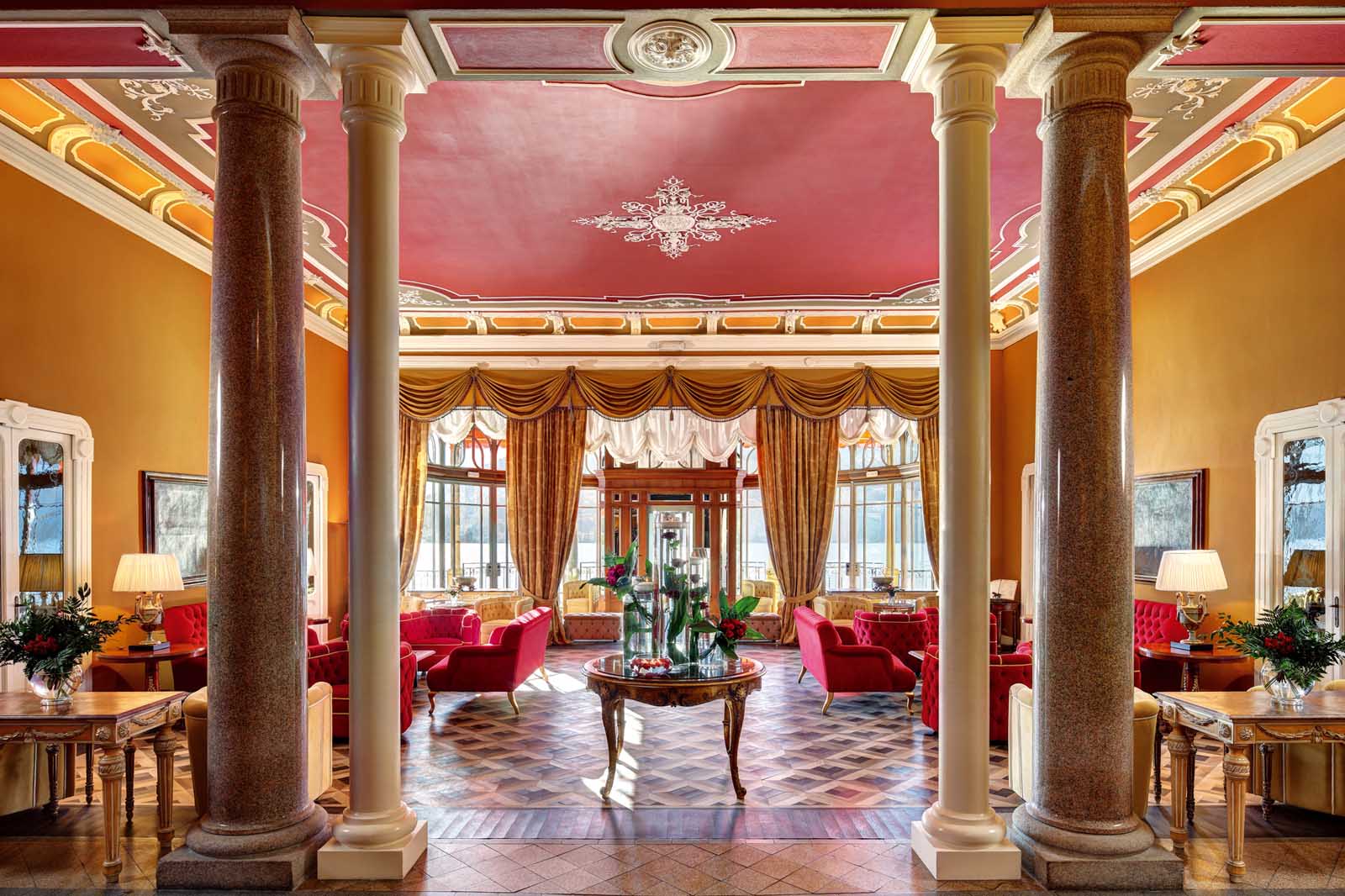
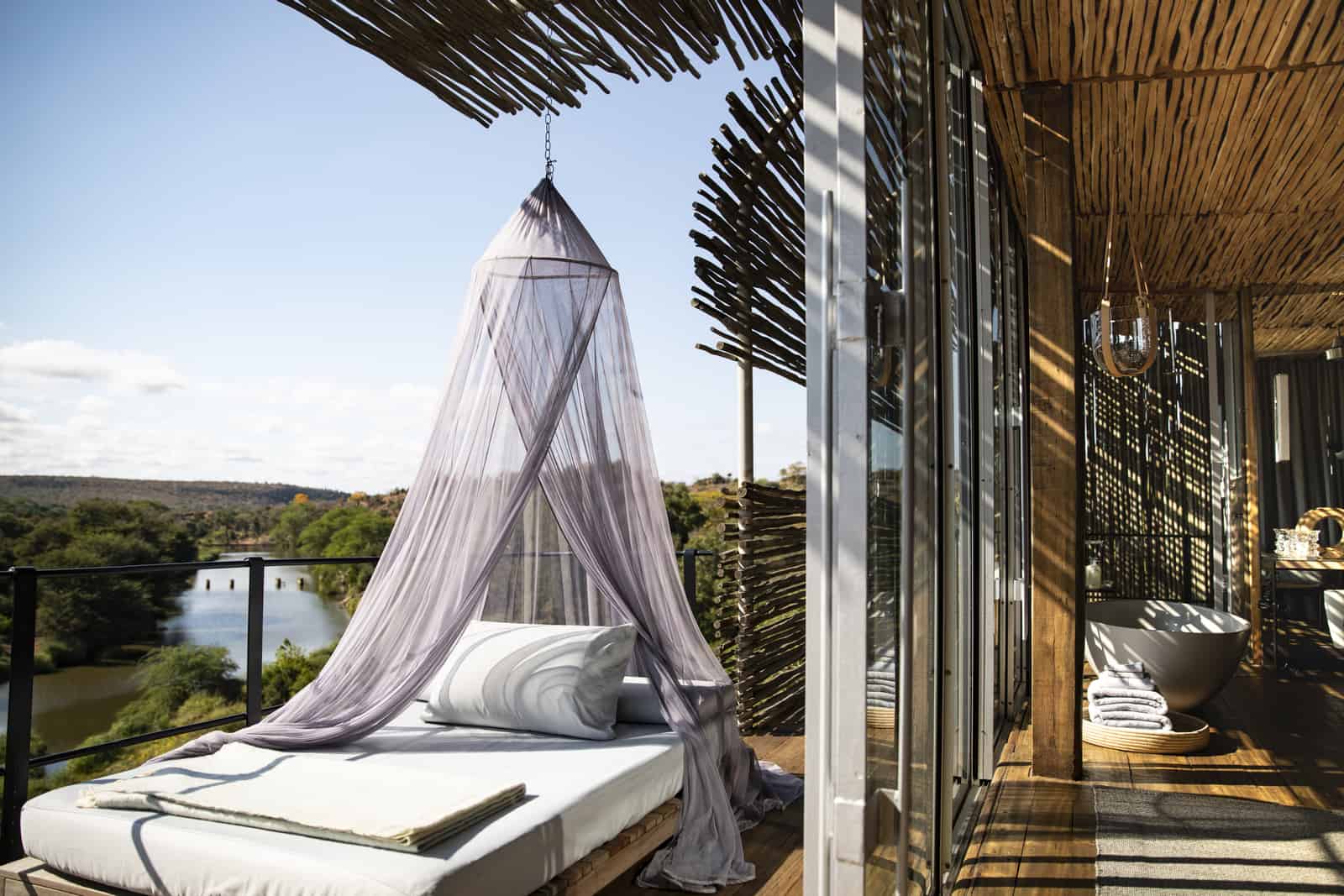
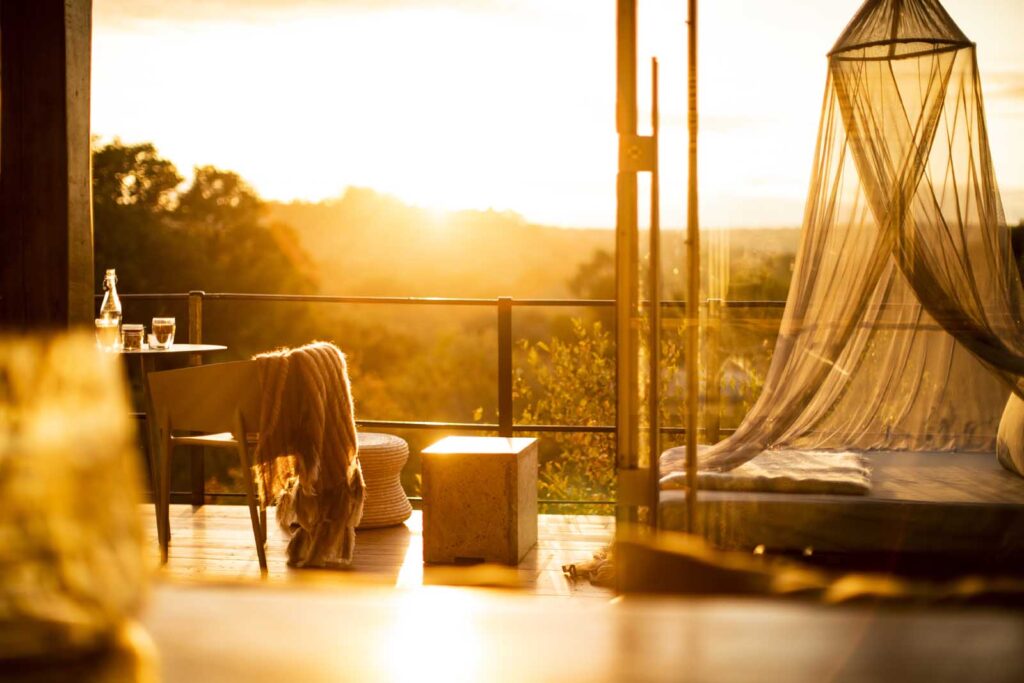
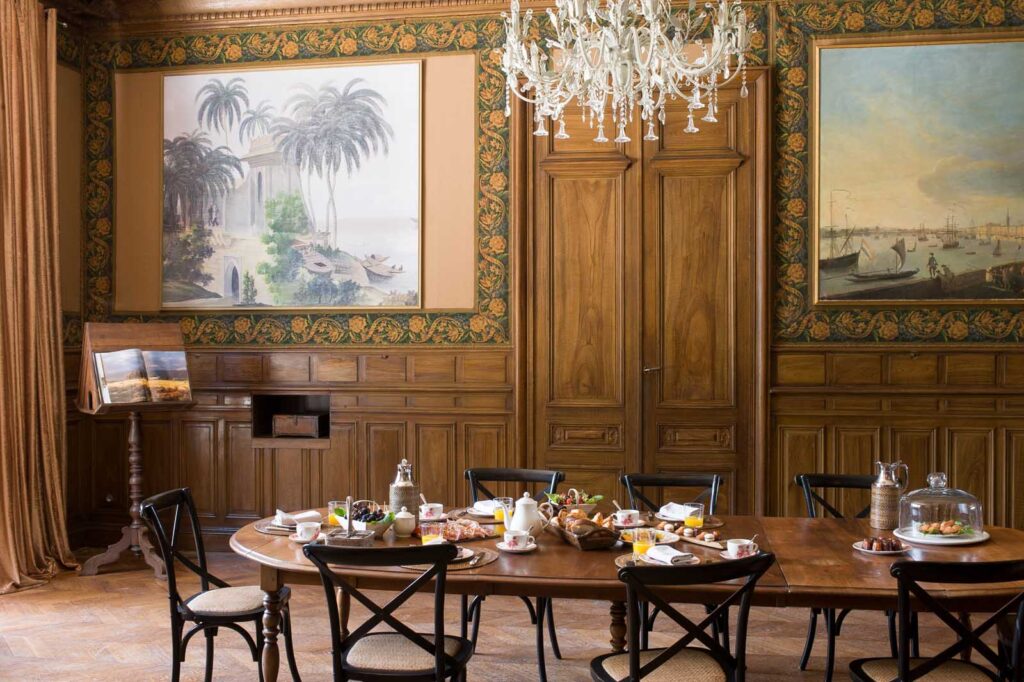
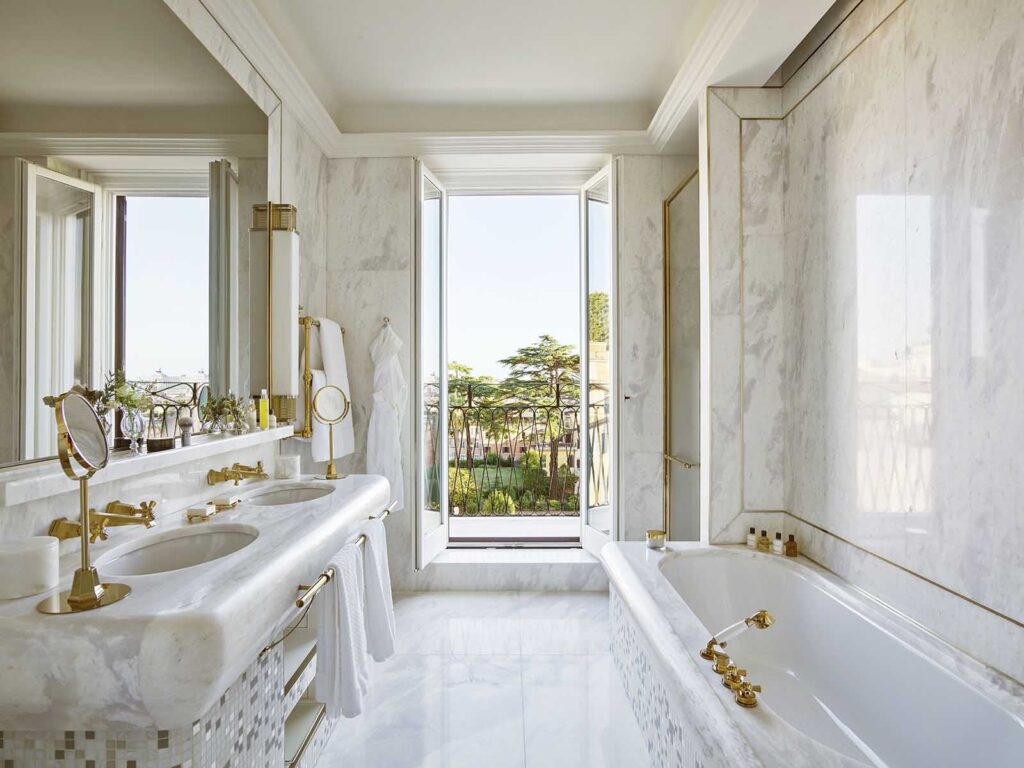
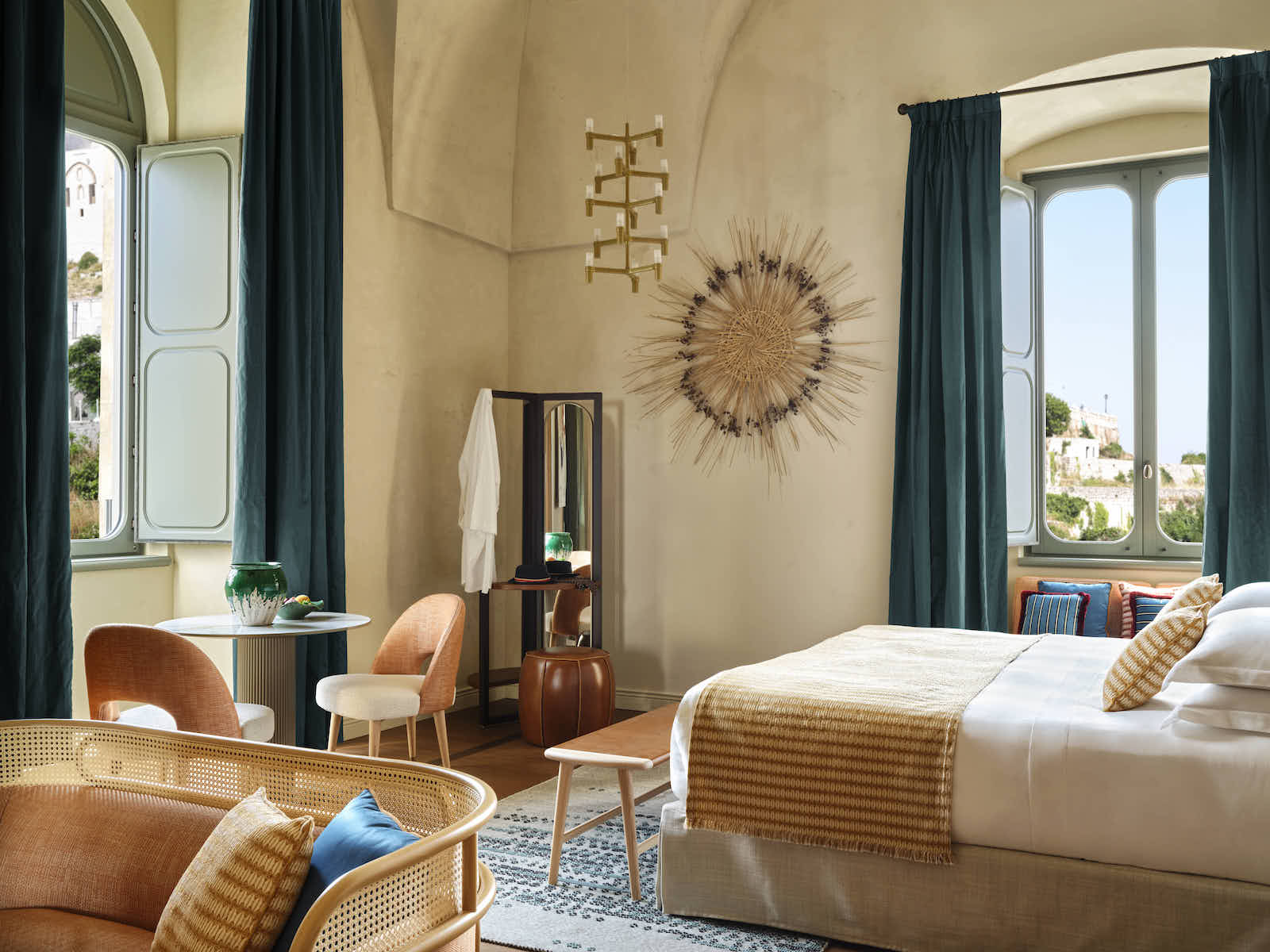
“Space is the real luxury today,” says Bianca Passera, who leads the project with her family. That idea is evident in the rooms, which are generous and light-filled, with ceilings reaching seven metres in some cases and mezzanines that make the most of the volume. No two are alike. Architect Roberto Murgia, working with Valentina Ravara, has combined bespoke furnishings, wood, rattan and Dedar fabrics in shades of earth, ochre, blue and terracotta. Ceramics from Grottaglie, tapestries, amphorae and handmade rugs give each room its own character. Bathrooms pair marble with Trani stone. Details include Olivari’s egg-shaped handles, first designed in 1957, linen sheets and a pillow menu. Room 490, with its double windows, mezzanine and abundant natural light, is among the most appealing.
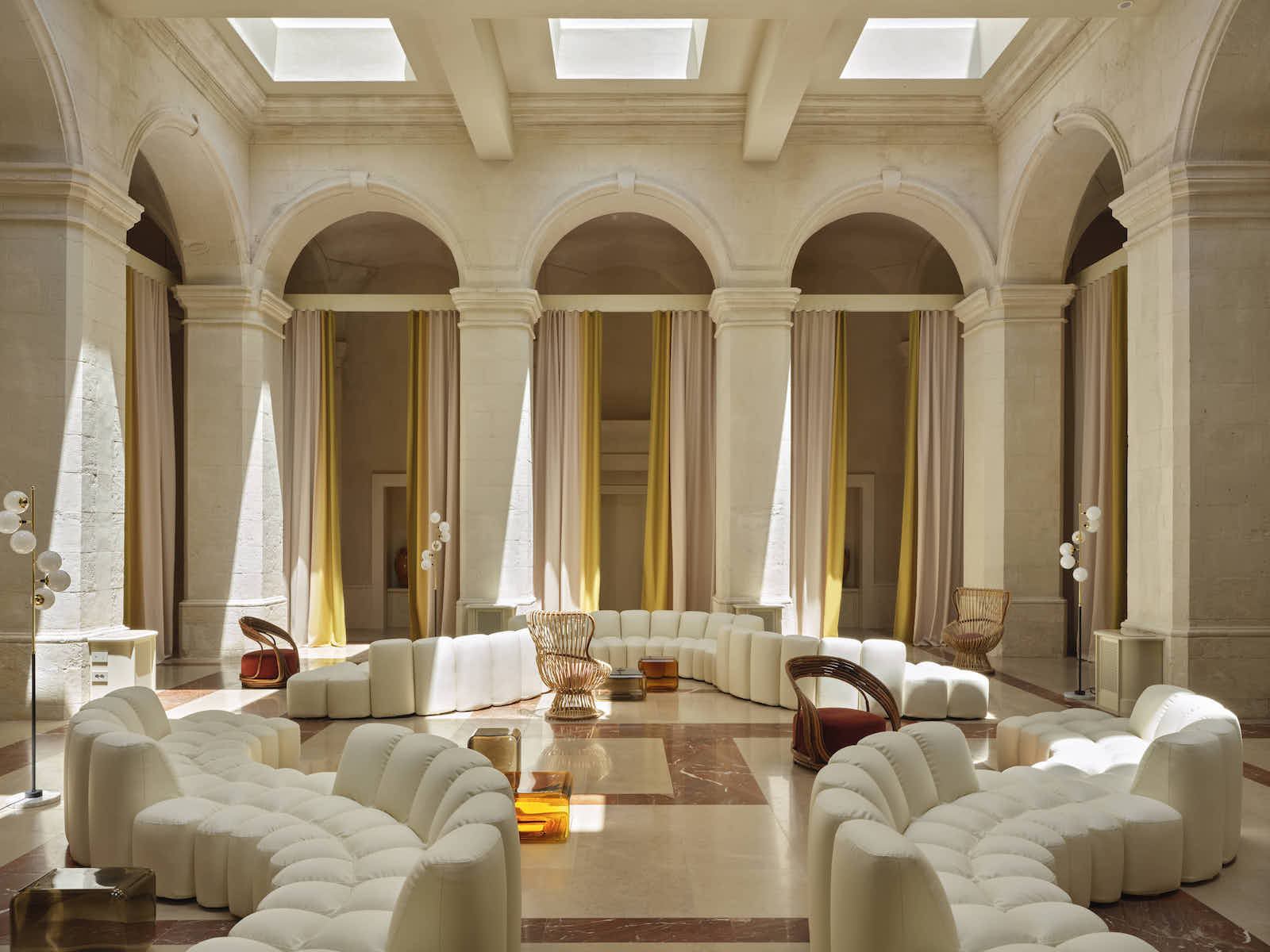
Dai un occhio all'atmosfera dell'hotel
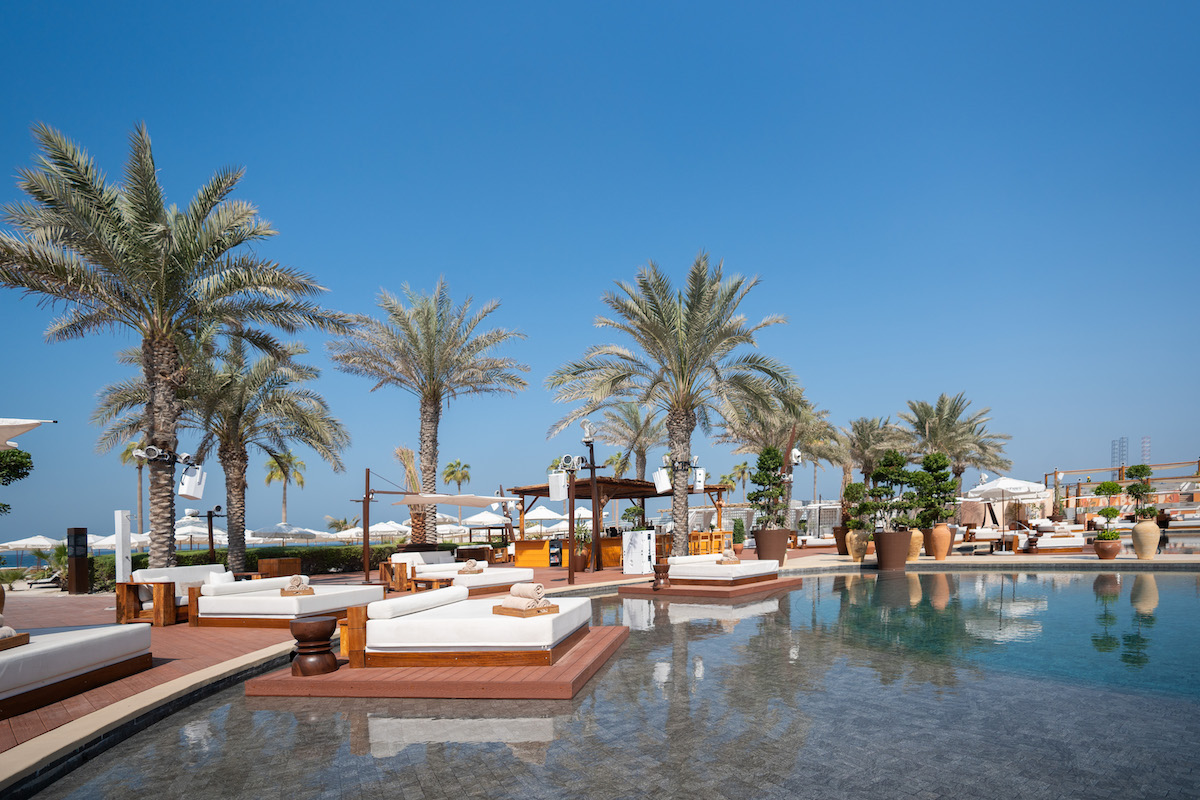
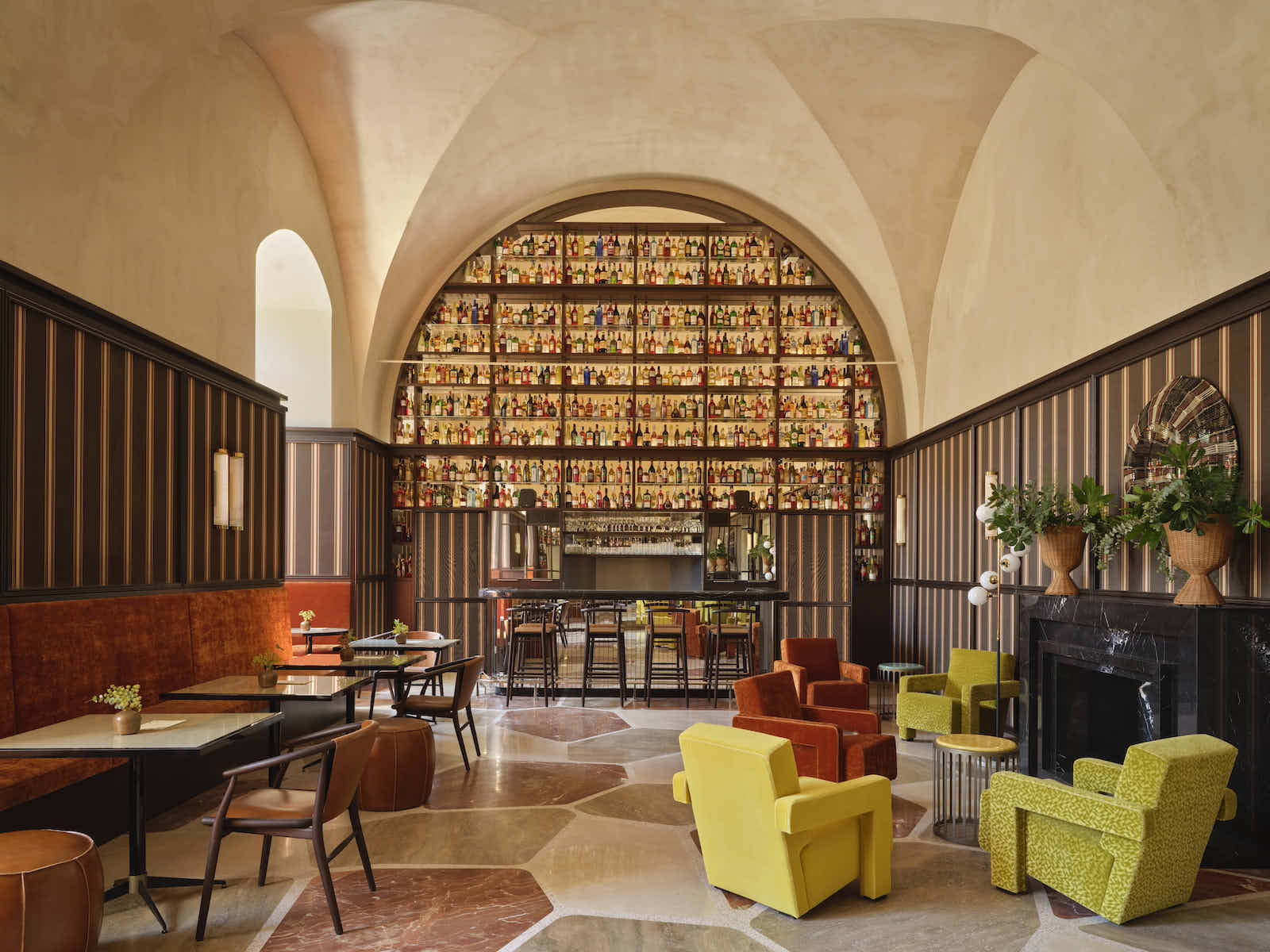
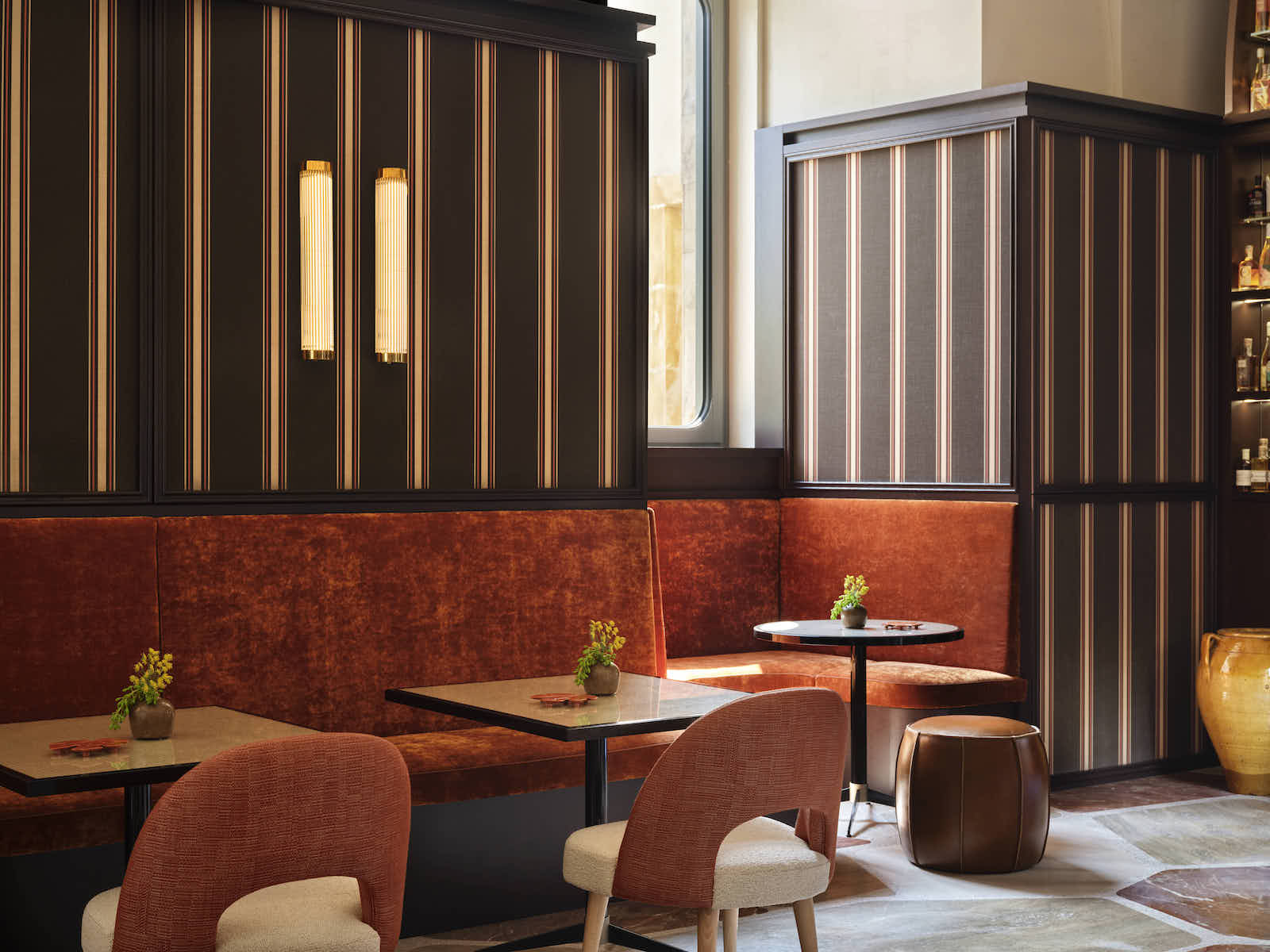
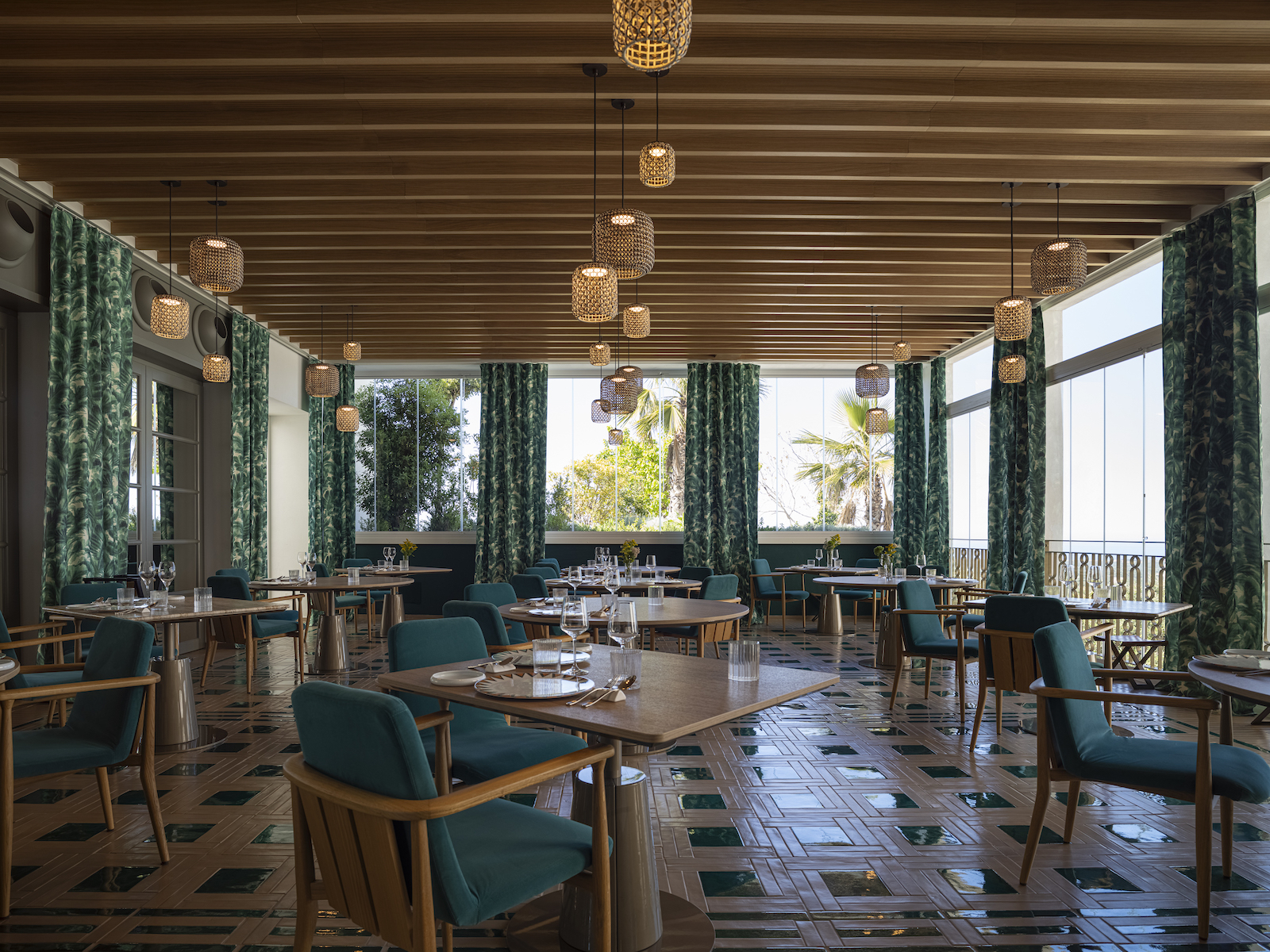
Hotel life unfolds around three pools, two restaurants and three bars, including a rooftop bar with sweeping views. The cooking draws on Puglia’s ingredients and traditions, interpreted in a contemporary way. The main restaurant offers a more elaborate menu, while the poolside terrace focuses on lighter dishes. The bar, open to non-residents, has the atmosphere of a classic Italian drinking spot, with dark wood panelling, marble, a fireplace and an impressive display of bottles arranged in twelve rows inside an arched niche. Among the cocktails is the Friggitello, inspired by the sweet pepper typical of southern Italy.
A sense of place begins in the room, where guests are welcomed with freshly baked focaccia barese, taralli, craft beers from Puglia and pomegranate juice, a thoughtful alternative for those who do not drink alcohol. The minibar also features local products. The intention is to bring Puglia indoors without resorting to folklore, through its ingredients, flavours and people.
The same attention shapes the service. “We don’t want to be the Apulian friend who takes guests around the region. We want to bring back the good manners of traditional hospitality,” says Passera. Staff wear made-to-measure powder-blue uniforms, which change in the evening; turndown service follows a more classical style, with housekeepers in black and white aprons. There is someone to handle luggage, help unpack and even clean guests’ glasses by the pool. These small, almost domestic gestures are made possible by the hotel’s relatively intimate scale. Most of the team are from Puglia; many have worked elsewhere before returning home.
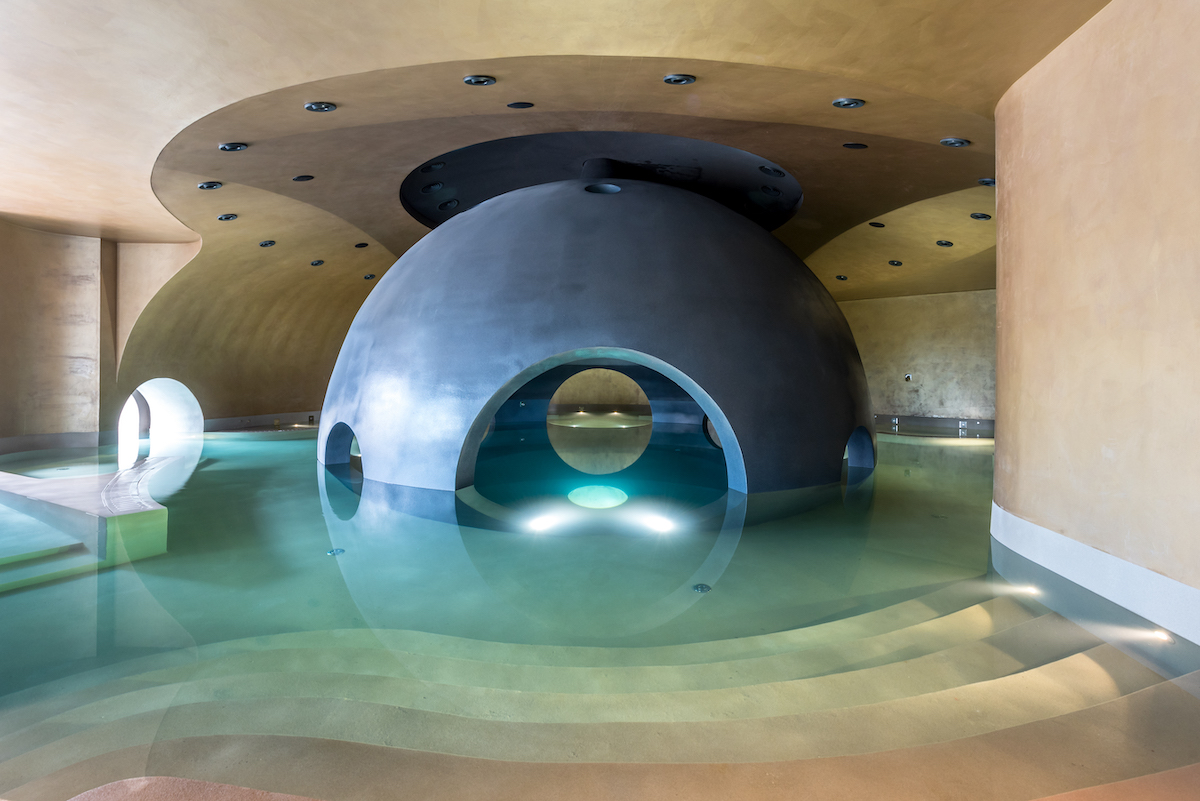
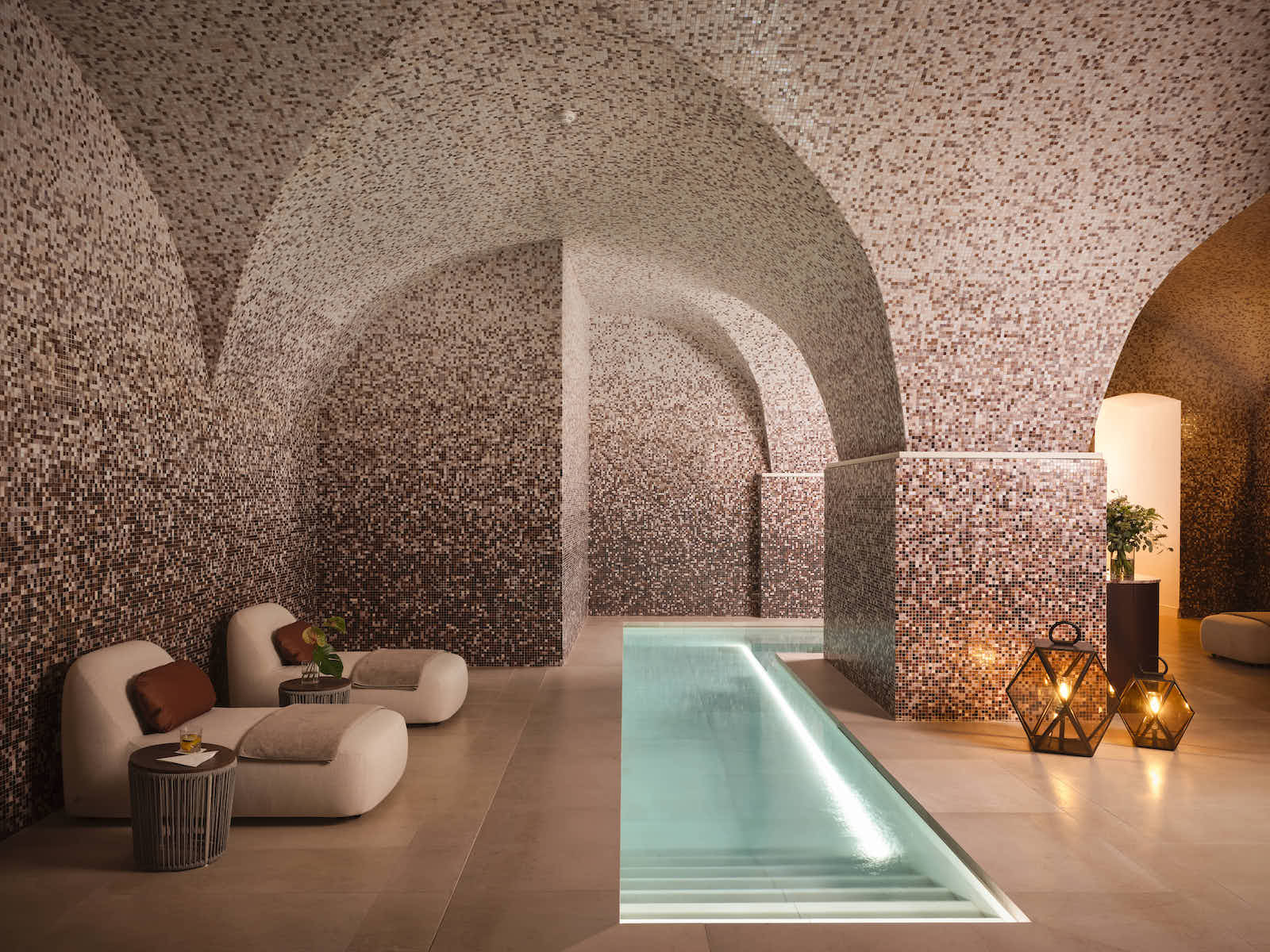
The 500-square-metre spa includes a pool in a vaulted room lined with purple-toned mosaics, treatment rooms, a gym and a beauty area for hair, hands and feet. Outside, the gardens offer further places to slow down.
Ostuni is more than a view from the terrace. Piazza della Libertà is a short walk away, while the coast and a selection of beach clubs are easily reached by car. The project also looks beyond its guests. Vista is a Benefit Corporation and is working towards LEED certification. It runs without gas, uses photovoltaic panels, collects rainwater in underground cisterns and has systems to reduce water consumption, including in the showers. The restoration of the town’s ancient urban gardens, cultivated since the Middle Ages, is intended to supply the kitchen with locally grown fruit and vegetables while regenerating the area around the church and a nearby care home. Staff training and volunteering initiatives are also part of the plan.
Vista Ostuni seeks a balance between the privacy of a residence and the service of a grand hotel, between countryside and historic centre, traditional hospitality and a contemporary sense of place. Its particular luxury lies not only in what it offers, but in the freedom to choose where to spend the day: on the terrace, in the garden, by the pool or wandering through Ostuni’s whitewashed lanes, just beyond the door.
Our Hidden Gems
Copyright © 2025 Onirikos® srl. All rights reserved | Onirikos® is a registered trademark of Onirikos srl
Auth. n°139205/04 Provincia di Milano | IATA TIDS 96080202 | UnipolSai Insurance n.148567239 / n.148567731 | Limit of liability €33.5 M.
Insolvency Guarantee: Fondo Garanzia Viaggi | Certificate n° A/132.1441/6/2024